
Algorithmic Medicine and the Duty to Disclose: Informed Consent Through the Lens of Radiology
Informed consent is the law’s mechanism for protecting patient autonomy by requiring disclosure of facts that bear on the decision to accept or refuse care. Artificial intelligence now helps decide what is medically true for patients, yet informed consent law still assumes that diagnostic judgment is rendered by a human mind whose reasoning is at least in principle communicable. Radiology has become the leading setting for this tension. AI systems triage worklists, flag suspected abnormalities, and anchor first-pass impressions in ways that guide radiologists’ attention and, in practice, can coauthor diagnostic conclusions while remaining invisible to patients. When patients are kept unaware that nonhuman systems materially shaped the judgment they receive, consent risks preserving its form while losing its animating premise of human agency at the point of judgment. This Note argues that such nonhuman judgment is itself a material fact under Canterbury v. Spence’s reasonable-patient standard. Courts already treat the identity and role of the decisionmaker as autonomy-relevant when surgeons are substituted, trainees participate, or a diagnostic reading is outsourced. Algorithmic medicine triggers the same principle. This Note proposes an Algorithmic Disclosure Rule (ADR) that requires acknowledgment when AI crosses from background tool to meaningful participant in diagnostic or treatment judgment. ADR does not demand technical explainability, a veto over AI, or a human-only pathway. It instead recenters informed consent on evaluative legitimacy: the patient’s right to know who—or what—exercised authority over their care. Using radiology as the core case study, this Note shows how black-box systems already shape clinical judgments upstream of patient awareness. It then maps implementation pathways through professional guidance, hospital governance, regulatory labeling, and patient decision aids. Finally, it explains how ADR can scale as AI moves beyond imaging into pathology, oncology, and general clinical decision support.
Introduction
Imagine you are waiting for the results of an MRI scan. A doctor you have grown to trust enters the room with a smile on her face, explains that no tumor was found, and signs your report. Weeks later, you discover that an algorithm that your doctor never told you about made the determination that ruled out cancer. If that judgment had been wrong, no one would be able to explain why, and under current law, no one would have been required to inform you of artificial intelligence’s (AI) involvement in the first place. You trusted the doctor to reason on your behalf. The law still assumes that she did.
Artificial intelligence, as defined by the U.S. Food and Drug Administration (FDA), is a “machine-based system that can, for a given set of human-defined objectives, make predictions, recommendations, or decisions influencing real or virtual environments.”1Artificial Intelligence in Software as a Medical Device, U.S. Food & Drug Admin. (Mar. 25, 2025), https://www.fda.gov/medical-devices/software-medical-device-samd/artificial-intelligence-software-medical-device [perma.cc/GP73-Z49J].
In medicine, such systems often rely on machine learning algorithms that improve through exposure to data rather than through explicit programming.2See I. Glenn Cohen, Informed Consent and Medical Artificial Intelligence: What to Tell the Patient?, 108 Geo. L.J. 1425, 1429 (2020).
Radiology, in particular, now accounts for a majority of FDA-cleared AI medical devices,3Artificial Intelligence-Enabled Medical Devices, U.S. Food & Drug Admin. (Mar. 4, 2026), https://www.fda.gov/medical-devices/software-medical-device-samd/artificial-intelligence-enabled-medical-devices [perma.cc/M2HR-YJVC] (providing a table of the FDA’s Artificial Intelligence-Enabled Medical Devices, in which 1,094 out of 1,430 devices approved between 1995 and 2025 were approved by the radiology panel).
and one 2025 industry compilation estimates that 74 percent of U.S. hospitals use AI-powered diagnostic tools in radiology departments.4Barry Elad, AI in Healthcare Statistics 2026: Revealing the Future of Medicine, SQ Mag. (Oct. 7, 2025), https://sqmagazine.co.uk/ai-in-healthcare-statistics [perma.cc/6DZE-4MB5].
Yet patients are often unaware that an AI system may have helped interpret their scans.5See Hai Jin Park, Patient Perspectives on Informed Consent for Medical AI: A Web-Based Experiment, Digit. Health, Sep. 2024, at 1, https://doi.org/10.1177/20552076241247938 (noting that medical AI is frequently used “behind the scenes” and that patients are often unaware of its implementation in their care).
Further, informed consent doctrine still rests on the unstated assumption that someone whose reasoning is both human and communicable renders diagnostic judgments.6See infra Part I.
That assumption is now false in an age when self-learning computational systems perform diagnostic reasoning. When an undisclosed AI model materially shapes medical inferences communicated to patients, consent may preserve its form but lose its animating premise: human agency at the point of judgment. If left unaddressed, AI in medicine threatens to further hollow out informed consent.7See generally Evelyn M. Tenenbaum, Revitalizing Informed Consent and Protecting Patient Autonomy: An Appeal to Abandon Objective Causation, 64 Okla. L. Rev. 697 (2012) (arguing that the prevailing objective “reasonable patient” causation test focuses on the hypothetical preferences of a reasonable person rather than the values of the individual patient, thereby already undermining informed consent’s autonomy-based purpose, and urging courts and legislatures to abandon objective causation in favor of a subjective standard).
Informed consent doctrine does not require providing technical explanations to patients, but it generally requires providing information sufficient to understand the nature of the clinical judgment or recommendation and the identity of the person exercising this judgment. Courts have long treated the decisionmaker’s identity as a material fact, recognizing that who exercises clinical authority can matter even when the underlying medical risks do not change.8See, e.g., Perna v. Pirozzi, 457 A.2d 431, 439 (N.J. 1983) (holding that when a patient’s informed consent was given to one doctor, but two of his partners performed the surgery, a battery claim could be sustained against them because consent was specific to the original doctor). See generally Thomas Lundmark, Surgery by an Unauthorized Surgeon as a Battery, 10 J.L. & Health 287 (1996) (examining battery claims for “ghost surgery” when a different doctor from the one who obtained consent performs the surgery).
Under Canterbury v. Spence, material facts are those a reasonable patient would consider important in deciding whether to proceed with care, reflecting the doctrine’s central aim of safeguarding patient autonomy.9Canterbury v. Spence, 464 F.2d 772, 787 (D.C. Cir. 1972).
That principle cannot survive if patients are kept unaware that an autonomous or semiautonomous system, rather than a physician, meaningfully shapes the diagnosis or clinical assessment they receive. Even if such systems ultimately prove more accurate than human clinicians, their nonhuman agency is itself an autonomy-relevant fact whose disclosure is required for a patient to make an informed choice.10See Emma Kondrup, Informed Consent, Redefined: How AI and Big Data Are Changing the Rules, Bill of Health (Apr. 11, 2025), https://petrieflom.law.harvard.edu/2025/04/11/informed-consent-redefined-how-ai-and-big-data-are-changing-the-rules [perma.cc/DF8V-A5CC].
In other words, if “who decides” is material when judgment is substituted, outsourced, or exercised by trainees, it cannot become immaterial merely because the judgment-maker is statistical rather than biological.
Canterbury’s reasonable-patient standard already supports a duty to disclose when an AI system meaningfully participates in clinical judgment because the decisionmaker’s identity and role are presumptively material to a patient’s choice, even when outcome probabilities do not change. The rule this Note defends assumes that AI will remain embedded in care and that clinicians will rarely be able to unpack a model’s internal logic at the bedside. Its core requirement is evaluative legitimacy: Disclosure must give patients information they can meaningfully use to weigh options and decide. Patients should be told when nonhuman intelligence has materially shaped the medical judgment they receive and given minimal data on the AI’s reliability so they can ground their trust in a considered choice.11E.g., Cohen, supra note 2, at 1446–47 (suggesting that physicians using medical AI or machine learning (ML) might be required to explain how they use it and how much they do or do not understand about the AI/ML due to its opacity). This Note builds on that disclosure logic by treating meaningful AI participation as presumptively material. See generally Am. Med. Ass’n, Code of Med. Ethics Op. 2.1.1 (2024) (directing physicians to disclose information material to the patient’s decision).
This duty includes a plain acknowledgment of meaningful AI participation, not technical explainability. It is not a veto of AI or a requirement for a human-only pathway. Framed this way, the algorithmic disclosure duty carries forward informed consent’s autonomy-protecting purpose into the age of algorithmic medicine. Part I explains how informed consent doctrine was built on assumptions of human intelligibility and communicable judgment. Part II analyzes the doctrinal tension that arises when black-box AI assumes roles once reserved for human clinicians, with radiology serving as a prominent case study of this emerging conflict. Part III proposes an Algorithmic Disclosure Rule (ADR)—grounded in existing doctrine—that restores the legitimacy of consent without impeding medical innovation.
I. Informed Consent’s Human Agent Premise
Informed consent law did not begin as a doctrine about information but as a rule against nonconsensual bodily intrusion. This Part traces how informed consent evolved from policing nonconsensual touching through battery to policing nondisclosure through negligence, thereby becoming a doctrine of nondisclosure. It then explains how courts adopted two main approaches to determining how much information must be shared and concludes that both approaches rest on the same underlying premise that medical judgment is human, intelligible, and communicable.
A. From Battery to Negligence
Informed consent doctrine began as a protection against unwanted physical contact. In Schloendorff v. Society of New York Hospital, then-Judge Cardozo declared that “[e]very human being of adult years and sound mind has a right to determine what shall be done with his own body.”12Schloendorff v. Soc’y of N.Y. Hosp., 105 N.E. 92, 93 (N.Y. 1914) (articulating what later became the canonical principle of bodily autonomy in American medical law), abrogated by Bing v. Thunig, 143 N.E. 2d 3 (N.Y. 1957).
The cause of action was battery. A physician who operated without consent committed an intentional tort, regardless of skill or outcome.13Id.
By the mid-twentieth century, courts recognized that even when a patient agreed to treatment, consent could not be truly informed unless the physician disclosed all facts that affected the rights and interests of the patient and any risks, hazards, and dangers.14See Natanson v. Kline, 350 P.2d 1093, 1104–07 (Kan. 1960).
Canterbury crystallized the transition to informed consent as a negligence-based duty to disclose rather than an intentional wrong.15See Canterbury v. Spence, 464 F.2d 772, 786 (D.C. Cir. 1972).
B. Who Sets the Bar? Professional vs. Patient Standards
After the shift from battery to negligence, courts initially defined the scope of disclosure by reference to professional custom. In 1972, the D.C. Circuit’s decision in Canterbury v. Spence marked a decisive break from that physician-centered approach. Rejecting professional custom as the sole measure of disclosure, the court held that the duty to inform is governed by the information a reasonable patient would consider material to deciding whether to accept care.16Id. at 776, 786 (involving a nineteen-year-old patient who suffered paralysis following back surgery after physicians failed to disclose the risk of such injury).
Canterbury is widely regarded as the landmark case that reframed informed consent around patient autonomy rather than physician discretion, grounding disclosure obligations in the patient’s right to meaningful self-determination.17See Jaime Staples King & Benjamin W. Moulton, Rethinking Informed Consent: The Case for Shared Medical Decision-Making, 32 Am. J.L. & Med. 429, 430, 443–44 (2006) (describing the near-even split between physician-based and patient-based informed consent standards in U.S. jurisdictions).
After Canterbury, jurisdictions diverged over who determines what constitutes enough information under the duty to disclose. Although Canterbury crystallized the move from battery to negligence and articulated a patient-oriented materiality test, some jurisdictions retained the physician-centered measure of disclosure within that negligence framework, producing today’s split between reasonable-patient and prudent-physician approaches. This split turns on whether the scope of disclosure is defined by professional custom or by the patient’s right to self-determination.18See id. at 442–43.
Under the prudent-physician standard, professional custom defines the scope of disclosure.19Jurisdictions applying the prudent-physician standard include Kansas, Indiana, and South Carolina. See, e.g., Natanson, 350 P.2d at 1107; see also Culbertson v. Mernitz, 602 N.E.2d 98, 100 (Ind. 1992) (requiring expert testimony to establish professional custom standard in consent cases); Hook v. Rothstein, 316 S.E.2d 690, 698 (S.C. Ct. App. 1984) (applying similar reasoning to radiologists’ disclosure duties).
A physician must reveal the information and risks that a reasonably prudent medical practitioner would disclose under similar circumstances. Courts applying this standard treat informed consent as a question of medical negligence and require expert testimony when determining whether the physician’s disclosures meet the professional standard of care.20See, e.g., Natanson, 350 P.2d at 1105–06.
Doctors, not courts or juries, are viewed as best positioned to decide how much information patients can safely absorb.
By contrast, other jurisdictions follow the reasonable-patient standard first articulated in Canterbury.21Jurisdictions applying the reasonable-patient standard include California, New Jersey, and Texas. See, e.g., Cobbs v. Grant, 502 P.2d 1, 10–11 (Cal. 1972) (formally adopting the reasonable-patient standard and holding that a physician must disclose material risks a reasonable patient would deem significant, rejecting reliance on professional custom); Largey v. Rothman, 540 A.2d 504, 506–07 (N.J. 1988) (similarly emphasizing that materiality turns on what a prudent patient would find important and requiring objective reasonable-person causation); Peterson v. Shields, 652 S.W. 2d 929, 931–32 (Tex. 1983) (holding that, under the state’s post-Medical Liability & Insurance Act framework, disclosure is governed by a reasonable-person standard rather than medical custom, and that causation depends on whether nondisclosure could have altered a reasonable patient’s decision to consent).
Under this standard, the physician’s duty to disclose relevant information extends to (1) material risks of the proposed treatment, (2) reasonable alternatives, including refusing treatment, and (3) the consequences of declining care.22See Canterbury v. Spence, 464 F.2d 772, 786–88 (D.C. Cir. 1972).
Here, materiality—what counts as a material risk or fact requiring disclosure—is grounded in the patient’s autonomy, not in medical custom. Physicians must disclose the information that an objectively reasonable patient would find significant in deciding whether to undergo a proposed treatment. Juries, not physicians, determine materiality.23Id. at 788 (“Whenever nondisclosure of particular risk information is open to debate by reasonable-minded men, the issue is for the finder of the facts.”).
A high mortality rate, for example, would be considered material to making a decision, whereas a generic, well-known risk of infection would not.24See id. I use “high mortality rate” as a safe derivative of “[a] very small chance of death” to relay a clear illustration.
The question is not what information a particular patient happens to want, nor what physicians personally feel is enough to disclose, but what a reasonable person would need to make a meaningful decision.25Id.
A smaller number of jurisdictions adopt a hybrid approach, allowing expert testimony on professional custom but ultimately leaving materiality determinations to the jury where autonomy concerns are implicated.26See, e.g., Kinikin v. Heupel, 305 N.W.2d 589, 593–95 (Minn. 1981) (requiring physicians to satisfy professional-custom standards but imposing an additional duty to disclose information a reasonable patient would want); Gerety v. Demers, 589 P.2d 180, 186–87 (N.M. 1978) (adopting hybrid rule allowing expert testimony while leaving materiality to jury when autonomy concerns are implicated).
Although their doctrinal language differs, both prevailing standards fit within the same tort framework. To prevail on an informed consent claim, a plaintiff must establish four elements: (1) the existence of a duty to disclose, (2) breach of that duty, (3) a causal link between the breach of duty and the resulting injury, and (4) the injury itself.27See Brietta R. Clark, Erin C. Fuse Brown, Robert Gatter, Elizabeth Y. McCuskey & Elizabeth Pendo, Health Law: Cases, Materials and Problems 149–53 (9th ed. 2022).
The following table summarizes how the prudent-physician and reasonable-patient standards define and apply these elements.
Table 1. Definitions of Prevailing Informed Consent Standards
Element | Prudent-Physician | Reasonable-Patient |
DUTY | Professional custom: what a reasonable, prudent physician in the specialty would disclose | Patient autonomy: what a reasonable person would deem material to the choice |
BREACH | Failure to conform to professional custom | Failure to disclose a material fact |
CAUSATION | Objective: Would a reasonable patient in the plaintiff’s position have declined? | Same objective test with possible subjective overlay in some jurisdictions |
INJURY | Harm from undergoing care without disclosure when the undisclosed risk/material fact later matters | Same as prudent-physician standard |
29Canterbury, 464 F.2d at 786–88; King & Moulton, supra note 17, at 442–43.
30Canterbury, 464 F.2d at 781–83; Clark et al., supra note 27.
31See Canterbury, 464 F.2d at 787; King & Moulton, supra note 17, at 442–43.
32Canterbury, 464 F.2d at 790–91; Prissel v. Physicians Ins. Co. of Wis., No. 02-1729, 2003 WL 22998133, at *10–11, *10 n.19 (Wis. Ct. App. Dec. 23, 2003) (explaining that informed consent requires proof of both “decision causation” and “injury causation”).
33See Canterbury, 464 F.2d at 791; Tenenbaum, supra note 7, at 709–16.
34Canterbury, 464 F.2d at 790; Clark et al., supra note 27.
35See Canterbury, 464 F.2d at 790; Prissel, 2003 WL 22998133, at *10–11.
This Note focuses on the duty element because it determines the scope of patient autonomy. Although both standards trace their roots to Canterbury, only the reasonable-patient test explicitly embeds the concept of materiality. The prudent-physician formulation, by contrast, ties disclosure to the professional custom justified by fiduciary ethics and relational trust.36Canterbury, 464 F.2d at 786–87; id. at 782 (“The patient’s reliance upon the physician is a trust of the kind which traditionally has exacted obligations beyond those associated with arms-length transactions. . . . [Courts have found] ‘in the fiducial qualities of [the physician-patient] relationship the physician’s duty to reveal to the patient that which in his best interests it is important that he should know.’ ” (quoting Emmett v. Eastern Dispensary & Cas. Hosp., 396 F.2d 931, 935 (D.C. Cir. 1967))).
AI unsettles both ways of thinking. When its role is treated as legally invisible, patients are denied information that a reasonable patient requires, and custom risks drifting from a fiduciary practice of informing patients to a technical box-checking exercise. This Note therefore adopts the reasonable-patient framework for clarity, but its autonomy-based argument reaches prudent-physician jurisdictions as well. Both approaches share an unspoken premise that medical judgment is human, intelligible, and communicable.37See Cohen, supra note 2, at 1432–34. The doctrine’s two leading disclosure standards are framed around what physicians must communicate, which by structure treats the reasoning agent as a human clinician rather than a nonhuman system.
C. Materiality Includes the Decisionmaker’s Identity
Under either the reasonable-patient or prudent-physician standard, liability turns on whether the omitted information was material, meaning whether a reasonable patient or physician would consider it significant to the decision to consent.38For ease of exposition, I use “material” to mean “significant to the decision to consent” across both standards. The reasonable-patient test frames that question directly in materiality terms, while the prudent-physician test typically does not. See Canterbury, 464 F.2d at 783–88.
Judicial discussions of materiality are typically centered around the risks and benefits of proposed treatments and alternatives,39See King & Moulton, supra note 17, at 430–31.
leaving implicit the assumption that the process by which medical judgments are formed, and the decisionmaker’s identity, do not themselves require separate disclosure. This Section argues that materiality cannot be confined to side-effect profiles of treatment options; it already encompasses the diagnostic and interpretive judgments that structure those options and the identity of the actor who exercises those judgments.
Informed consent doctrine has long tolerated opacity in physicians’ reasoning, presumably because the decisionmaker’s identity conferred legitimacy. That decisionmaker was assumed to be a licensed, fiduciary-bound human agent.40Tenenbaum, supra note 7, at 698–99, 703–04 (tracing the historical expectation that patients placed total trust in physicians’ judgments and deferred to their authority).
Canterbury made that premise explicit and noted that the “average patient has little or no understanding of the medical arts” and therefore “has only his physician to whom he can look for enlightenment with which to reach an intelligent decision.”41Canterbury, 464 F.2d at 780.
The case characterized the relationship as one of “well-nigh abject” reliance and “trust of the kind which traditionally has exacted obligations beyond those associated with arms-length transactions.”42Id. at 782.
Under that framework, informed consent law shaped patients’ knowledge when choosing among options, rather than requiring a step-by-step justification of the clinician’s mental process. This was because the reasoning agent was presumed to be an identifiable, fiduciary-bound professional.43Id.
Materiality could therefore focus on treatment-level risks while leaving the locus of judgment unspoken, because courts assumed that a human mind was doing the reasoning in the background.
1. Analogs in Existing Doctrine
Four lines of case law illustrate that courts already treat the identity of the person exercising medical judgment as material to patients, even when outcome probabilities are unchanged.
Table 2. Existing Informed Consent Analogs for Decisionmaker Identity
Analog | Materiality Takeaway |
SUBSTITUTION OF SURGEON | Disclosure required when the operator changes in a way that alters who exercises judgment 44See, e.g., Perna v. Pirozzi, 457 A.2d 431 (N.J. 1983) (battery where a different surgeon performed than was agreed on the consent form). |
EXPERIENCE/ROLE SHAPING JUDGMENT
| Disclosure can turn on status/role where it bears on who is exercising clinical authority 45See, e.g., Johnson v. Kokemoor, 545 N.W.2d 495 (Wis. 1996) (surgeon’s experience can be material to consent because it affects risks and the patient’s choice). |
TRAINEES & STUDENTS | Participation by learners can be material where it changes the identity/capacity of the actor performing key steps46See, e.g., Mullins v. Parkview Hosp., Inc., 865 N.E.2d 608, 609–10 (Ind. 2007) (patient expressly withheld consent to “healthcare learners” by crossing that language out of the consent form). |
DIAGNOSTIC IDENTITY/OUTSOURCING | Patients may be entitled to know who is interpreting (or where interpretation is outsourced) when the decisionmaker’s identity is part of what they rely on47See, e.g., Webster v. CDI Ind., LLC, 917 F.3d 574, 575–80 (7th Cir. 2019) (affirming liability on an apparent-agency theory where the patient was not told an outside radiologist would interpret the CT, recognizing reasonable patient expectations about who exercises clinical judgment). |
Taken together, these analogs demonstrate that informed consent does not stop at enumerating generic risks of treatment. It reaches the identity and role of the person (or entity) whose clinical judgment will shape those risks in both treatment and diagnosis. Even where the underlying probability of harm remains constant, patients have a recognized interest in knowing which actor is making the call. Nonhuman judgment is simply the limiting case of this principle: Once an autonomous system meaningfully coauthors the diagnosis, its involvement is an autonomy-relevant fact of the same kind. Concealing this fact severs informed consent from the recognition of autonomy it is meant to secure.
2. Why the “AI as Mere Tool” Analogy Fails
Some might object that AI can be treated, for materiality purposes, as a mere tool in the physician’s informational environment, preserving the clinician as the sole decisionmaker under existing doctrine. Professor I. Glenn Cohen, for example, observes that physicians already rely on external aids—scientific literature, instruments, colleagues—and that courts have not traditionally required disclosure of those influences.48See Cohen, supra note 2, at 1457.
If that analogy holds, disclosure would seldom be required.
Yet the analogy dissolves under scrutiny. Traditional medical tools are human-authored and supply information that the physician can evaluate, weigh, and either accept or reject through her own reasoning. The physician’s judgment remains intact because she can reconstruct the logic by which those aids inform her decision. By contrast, AI generates conclusions through inferential pathways that neither physician nor designer can fully trace.49See infra Part II.
When reliance on such outputs becomes integral to diagnosis, part of the physician’s decisionmaking authority is effectively ceded to a process she cannot interrogate. The transparency and accountability that make a physician’s judgment fiduciary in the first place disappear. If AI were truly just a background tool, its use would fall outside the identity-based disclosure cases described above. But once opaque AI systems materially participate in deciding what is medically true, they belong squarely within the “who decides” category that informed consent doctrine already treats as autonomy-relevant.
II. Black-Box Medicine and the Human-Agent Premise
Part I established that informed consent doctrine already treats the identity and role of the decisionmaker as autonomy-relevant. That analysis supplies the doctrinal predicate for algorithmic disclosure.
Informed consent doctrine, however, has never required physicians to disclose or explain the internal reasoning processes behind medical judgment. It tolerated opacity in clinical reasoning only on the settled assumption that judgment was exercised by an identifiable, fiduciary-bound human agent who could, if necessary, explain, justify, or revise that judgment. AI in the clinical setting disrupts that settlement. When opaque systems meaningfully generate or shape medical judgment, opacity no longer merely conceals a reasoning process that was previously accessible through the physician; it conceals the locus of judgment itself.
This Part shows how that shift plays out in practice. It begins by defining “black-box medicine” and explaining how algorithmic opacity, when coupled with redistribution of agency, unsettles the assumptions underlying informed consent. It then situates radiology as a leading specialty in which AI systems participate in diagnostic judgment in ways that can materially shape clinical outcomes without patient awareness. The discussion concludes by identifying the resulting gap in informed consent doctrine. If physicians could fully reconstruct and independently own the system’s reasoning, AI might plausibly be treated as another tool within human judgment; but when that reasoning cannot be deconstructed or interrogated, the decisionmaker’s identity itself becomes indeterminate.
A. Informational Asymmetry and Opacity
Modern medicine increasingly relies on machine learning-based AI systems, which infer patterns from data rather than relying solely on explicitly programmed decision rules. The internal logic these systems employ is often opaque or not fully explainable in human terms.50See Cohen, supra note 2, at 1429–31.
These systems use supervised or unsupervised learning. In supervised learning, algorithms are trained on labeled datasets (for instance, medical images annotated by clinicians) to learn mappings between input and outcome.51Id. at 1429–30.
In unsupervised learning, they instead infer structure and patterns from unlabeled data without explicit human guidance.52Id. at 1430.
Deep learning architectures, including convolutional neural networks (CNNs) and attention-based transformer models (e.g., vision transformers), now underpin many of the most advanced diagnostic imaging models.53See Satoshi Takahashi et al., Comparison of Vision Transformers and Convolutional Neural Networks in Medical Image Analysis: A Systematic Review, J. Med. Sys., Dec. 2024, at 1–2, https://doi.org/10.1007/s10916-024-02105-8 (“[V]ision transformers (ViTs) and convolutional neural networks (CNNs)[ are] the two leading techniques in the field of deep learning in medical imaging.”); see also Ricardo Otazo, AI-Driven MRI Acquisition and Reconstruction, in MRI Pulse Sequences: Physics, Methods and Clinical Applications 125 (Suraj D. Serai ed., 2025) (describing CNN-based reconstruction blocks and noting transformer/attention mechanisms used in newer reconstruction architectures).
This enables automated pattern recognition across specialties such as radiology, pathology, dermatology, and ophthalmology.54See Eric J. Topol, High-Performance Medicine: The Convergence of Human and Artificial Intelligence, 25 Nature Med. 44, 46 tbl. 1 (2019), https://doi.org/10.1038/s41591-018-0300-7.
These models—referred to as “black-box medicine”—generate predictors from vast datasets without revealing the inferential pathways that connect input to output.55W. Nicholson Price II, Describing Black-Box Medicine, 21 B.U. J. Sci. & Tech. L. 347, 348–51 (2015) (defining “black-box medicine” as “the use of opaque computational models to make decisions related to health care” and explaining that some deep-learning systems leave their learned decision rules effectively inaccessible to users).
In contrast to traditional evidence-based medicine, which proceeds through articulated mechanisms or empirically validated causal links, black-box medicine operates through pattern recognition. It learns that certain constellations of variables correlate with a disease state, even when no clinician can explain why.56Id. at 349–50 (contrasting “explicit personalized medicine,” which relies on causally validated mechanisms, with black-box approaches that use relationships without fully understanding or identifying them).
This lack of transparency may be formal, when the underlying code or architecture is inaccessible, or practical, when the discovered relationships are too complex for human comprehension, even if they could be technically described.57Id. at 351–52, 354 (distinguishing between formal nontransparency, where model code or architecture is inaccessible, and practical nontransparency, where the relationships are too complex for human comprehension even if technically describable).
This opacity creates an informational risk, rather than a physical or procedural one.58See generally I. Glenn Cohen & Andrew Slottje, Artificial Intelligence and the Law of Informed Consent, in Research Handbook on Health, AI and the Law 167, 176–77 (Barry Solaiman & I. Glenn Cohen eds., 2024) (noting that making AI more accurate can require opacity that “occlude[s] the distribution of potential outcomes” when systems are not empirically validated and arguing by analogy to Estrada v. Jaques, 321 S.E.2d 240 (N.C. Ct. App. 1984), that physicians may need to disclose uncertainty about risk).
When a model’s reasoning is unreadable even to its creators, the clinician who relies on its output becomes a translator without a language.59See Rebecca Crootof, Margot E. Kaminski & W. Nicholson Price II, Humans in the Loop, 76 Vand. L. Rev. 429, 461–62, 467–69 (2023) (explaining that simply inserting a human into an automated process creates a hybrid system that can exacerbate known human-machine interaction problems and that algorithmic failures may be difficult to identify and assess after the fact).
Black-box algorithms create a new mode of medical judgment, in which clinicians remain responsible for patient care even though they cannot fully understand or verify the opaque inferences on which that care depends.60W. Nicholson Price II, Medical Malpractice and Black-Box Medicine, in Big Data, Health Law, and Bioethics 295, 299–300 (I. Glenn Cohen, Holly Fernandez Lynch, Effy Vayena & Urs Gasser eds., 2018) [hereinafter Med-Mal & Black-Box Medicine] (explaining that black-box medicine is opaque and that because “neither providers nor developers know the relationships underlying the recommendations,” physicians cannot “understand and thus verify” the algorithm’s recommendation even though treatment decisions remain the physician’s own under negligence logic).
A physician may satisfy the conventional standard of care while remaining unable to explain, or even meaningfully audit, the algorithmic inference on which that care depends.61Id. at 299–300, 303 (noting that malpractice’s negligence standard typically treats adherence to accepted customary practice as nonnegligent, even though the causal basis for algorithmic predictions is fundamentally unevaluable by the expertise of the provider).
Legal doctrines built on communicable reasoning thus begin to strain when the underlying judgment cannot be rendered in human terms.
Recent scholarship shows that adding humans “into the loop” does not necessarily resolve algorithmic opacity. Policymakers often assume that inserting a human supervisor ensures meaningful oversight, yet “human involvement is no panacea.”62Crootof, Kaminski & Price, supra note 59, at 437, 460–61, 467, 469–70, 508 (explaining that “slap[ping] a human in it” creates a hybrid system that can “create or exacerbate well-known problems” and even “create or compound system errors,” and concluding that “[h]uman involvement is no panacea”).
Hybrid systems can exacerbate well-known problems in human-machine decisionmaking, including automation bias—the tendency to defer excessively to machines—and other cognitive limitations.63Id. at 461.
These arrangements can combine the weaknesses of both human and machine judgment rather than their strengths.64Id. at 468–70.
In clinical decisionmaking contexts (including diagnostic tools), patients often report discomfort with AI recommendations they cannot verify or understand and insist that clinicians serve as safeguards and final decisionmakers.65Jordan P. Richardson et al., Patient Apprehensions About the Use of Artificial Intelligence in Healthcare, 4 Digit. Med., 2021, at 1–3, https://doi.org/10.1038/s41746-021-00509-1 (noting that participants wanted the ability to dispute or correct AI recommendations and were “uncomfortable relying solely” on AI recommendations “without being able to evaluate the rationale,” while also expecting clinicians to serve as a “safeguard” and retain “final discretion” and responsibility for care).
Even so, commentators warn that physicians may retain legal liability for AI-influenced decisions even when they cannot fully evaluate or override the algorithm’s reasoning.66See Med-Mal & Black-Box Medicine, supra note 60, at 300–02 (arguing that physicians using black-box algorithms cannot understand and thus verify the algorithm’s recommendation, even though malpractice law continues to measure their conduct against the ordinary standard of care); Crootof, Kaminski & Price, supra note 59, at 483 (noting that in clinical decision-support settings, the physician maintains authority and “consequently the moral and legal responsibility [] for the final decision”).
The result is a new informational asymmetry among those who design the system, those who deploy it, and those whose autonomy depends on understanding how decisions about their bodies are made.
The Sections that follow apply this broader concept of black-box medicine to radiology, where the stakes are particularly acute. Here, deep learning models already interpret images at or above human accuracy, yet their internal logic remains a mystery. When the “first eyes” on a scan belong to a neural network, the law’s existing frameworks for disclosure and consent face their hardest test.
B. Radiology as the Leading Case Study
Radiology is the leading specialty where nonhuman intelligence routinely accesses clinical data before physicians.67See generally Faten M. Aldhafeeri, Governing Artificial Intelligence in Radiology: A Systematic Review of Ethical, Legal, and Regulatory Frameworks, 15 Diagnostics, 2025, at 1–2, https://doi.org/10.3390/diagnostics15182300 (explaining that “[r]adiology, as a data-intensive specialty, has witnessed the rapid adoption of machine learning and deep learning algorithms that increasingly influence clinical decision making,” and highlighting radiology-specific ethical, legal, and regulatory governance challenges).
Imaging adopted AI early for worklist triage, first-pass flags, and preliminary impressions. In practice, those functions do more than “assist.” They channel attention, structure salience, and anchor subsequent interpretation—well-documented pathways to automation bias.68See generally Crootof, Kaminski & Price, supra note 59 (explaining that hybrid human-algorithm systems frequently induce deference or anchoring to algorithmic outputs).
Once clinicians accept such outputs without reconstructing their basis, the system becomes a coauthor of diagnostic judgment rather than a neutral tool. That is the pressure point for informed consent: a shift in who is exercising medical authority upstream of the human read, even when the numerical risk profile appears unchanged.
1. Algorithmic Judgment Inside Clinical Practice: FDA-Cleared and Internal Systems
AI has already entered the core of regulated clinical practice. In 2025 alone, the FDA has cleared more than three hundred AI-enabled medical devices, more than three-quarters of which are authorized in diagnostic imaging.69See Artificial Intelligence-Enabled Medical Devices, supra note 3. For additional numerical support, see Liz Carey, Radiology Drives July FDA AI-Enabled Medical Device Update, AuntMinnie (July 14, 2025), https://www.auntminnie.com/imaging-informatics/artificial-intelligence/article/15750598/radiology-drives-july-fda-aienabled-medical-device-update [perma.cc/WM9V-5KFH] (reporting in a July 2025 update that radiology software products comprise about 81 percent of the AI-enabled devices since the previous update).
Radiology has thus become a principal entry point for algorithmic decision-support within medicine.70Aldhafeeri, supra note 67, at 2 (“[R]adiology, as a data-intensive specialty, has witnessed the rapid adoption of machine learning and deep learning algorithms that increasingly influence clinical decision making . . . .”).
These devices span computer-aided detection and diagnosis, segmentation and image-analysis systems, workflow optimization tools such as triage and prioritization of urgent cases, and multimodal decision-support systems.71Id. (“Artificial intelligence applications in radiology can be broadly categorized into four domains: (1) computer-aided detection and diagnosis (CADe/CADx) . . . ; (2) segmentation and image analysis systems . . . ; (3) workflow optimization applications, such as triage systems, prioritization of urgent cases, and structured reporting tools; and (4) decision-support systems, which integrate imaging with clinical and demographic data to guide treatment planning.”).
Within that portfolio, a substantial subset—particularly computer-assisted triage and notification software (QAS)—is designed to triage and prioritize studies and to flag suspected abnormalities before any human interpretation occurs.72Artificial Intelligence-Enabled Medical Devices, supra note 3; Carey, supra note 69 (noting that the July 2025 update included “[n]ine radiological computer-assisted triage and notification software (QAS) products”).
Federal approval, therefore, already presupposes clinical environments in which statistical models participate directly in the formation of diagnostic conclusions.
FDA-cleared devices, however, represent only the visible layer of algorithmic medicine. Health systems also deploy internally developed and vendor-supplied AI tools, such as Electronic Health Record (EHR)-embedded sepsis prediction models,73Tom Simonite, An Algorithm That Predicts Deadly Infections Is Often Flawed, WIRED (June 21, 2021), https://www.wired.com/story/algorithm-predicts-deadly-infections-often-flawed [perma.cc/46J3-ENNS] (reporting that over one hundred health systems use Epic’s proprietary sepsis-alert model and that “some US research hospitals have built their own tools”).
that operate outside of formal FDA review, often under the clinical decision support (CDS) carve-outs of the 21st Century Cures Act.74See infra Section II.D.1 (discussing the Cures Act’s statutory carve-outs and its limits).
These systems frequently run upstream of physician evaluation, continuously scanning patient data to triage, prioritize, or flag cases before any human assessment occurs.75See Simonite, supra note 73 (describing Epic’s model scanning EHR data in real time to warn of sepsis before staff detect it and noting both commercial systems and hospital-built tools).
Deploying institutions may receive only an alert or risk score, while vendors disclose little about model design, training data, or performance, shielding core features from clinical scrutiny through contract and trade-secret protections.76Id. (reporting that Epic’s EHR includes a built-in sepsis-alert model and that vendors “disclose[] little about how [these systems] work or perform[]”); see also Tuan Pham, Ethical and Legal Consideration in Healthcare AI: Innovation and Policy for Safe and Fair Use, Royal Soc’y Open Sci., May 2025, at 1, 7, https://doi.org/10.1098/rsos.241873 (explaining that the issue of proprietary algorithm ownership creates a lack of transparency that “prevent[s] healthcare workers from fully understanding how decisions are made”); James Dries, Proprietary Algorithms—The Two Emptiest Words in Technology, Pilytix (Aug. 21, 2021), https://pilytix.ai/blog/proprietary-algorithms-the-two-emptiest-words-in-technology/ [perma.cc/PH64-V6FH] (explaining that “every conversation is a reminder of how deftly they avoid the question of how the algorithms work,” underscoring intentional vendor opacity and lack of auditability).
Patients are rarely told about such participation in their assessment.77See generally How FDA Regulates Artificial Intelligence in Medical Products, Pew (Aug. 5, 2021), https://www.pew.org/en/research-and-analysis/issue-briefs/2021/08/how-fda-regulates-artificial-intelligence-in-medical-products [perma.cc/S98W-WR48].
Even recent federal transparency efforts focus on developer-facing certification and clinician-documentation rather than a patient-facing duty to disclose in informed consent.78See Health Data, Technology, and Interoperability: Certification Program Updates, Algorithm Transparency, and Information Sharing, 89 Fed. Reg. 1192, 1194, 1236 (Jan. 9, 2024) (explaining that HTI-1 narrows algorithm-transparency obligations to predictive DSIs supplied by certified health IT developers and requires certified modules to surface source-attribute information and apply risk-management practices with ongoing review and update).
Across both FDA-cleared and internally deployed systems, algorithmic models now participate upstream of human interpretation, yet their role remains structurally invisible to patients whose consent presumes a human locus of judgment.
2. The Denoising Study from Memorial Sloan Kettering Cancer Center
Clinical research involving AI continues to grow, demonstrating how blurred the lines of decisionmaking have become. For example, a 2024 study published by radiologists and medical physicists at Memorial Sloan Kettering Cancer Center (MSK)79Iva Petkovska et al., Clinical Evaluation of Accelerated Diffusion-Weighted Imaging of Rectal Cancer Using a Denoising Neural Network, Eur. J. Radiology, Dec. 2024, at 1, https://doi.org/10.1016/j.ejrad.2024.111802 (showing denoised, accelerated DWI images maintained or improved diagnostic quality and accuracy).
provides a direct example of AI-mediated radiological judgment already being built, tested, and eventually deployed within a leading clinical research institution. As a contributing author, I participated in the evaluation of a convolutional neural network—a subset of AI modeled loosely on how neurons in the brain process visual information—to improve magnetic resonance imaging (MRI) of rectal cancer.80Id. §§ 1, 2.3.
The study illustrates why algorithmic innovation often begins in domains where the moral and clinical stakes of accuracy are highest.
Colorectal cancer remains one of the deadliest malignancies in the United States, causing roughly fifty thousand deaths each year.81Key Statistics for Colorectal Cancer, Am. Cancer Soc’y (Jan. 14, 2026), https://www.cancer.org/cancer/types/colon-rectal-cancer/about/key-statistics.html [perma.cc/L7ZM-RPQE] (estimating 50,000 U.S. deaths annually and projecting about 52,900 deaths in 2025).
Precise posttreatment imaging is essential in determining whether a patient will undergo additional chemoradiation, organ-preserving watch-and-wait treatment, or radical surgical resection.82Petkovska et al., supra note 79, § 1.
Diffusion-weighted imaging (DWI), a standard MRI sequence for detecting microscopic residual tumor activity in rectal cancer, can reveal cellular-level differences that ordinary anatomical scans cannot.83Id. § 1.
But DWI is clinically fragile: Generating a clean, diagnostically usable DWI series typically requires roughly four and a half minutes of complete patient stillness, a duration that often leads to motion artifact, discomfort, and the need for repeat scans.84Id. §§ 1, 3.2.
Shortening scan time without degrading interpretive accuracy is therefore clinically consequential, because acquisition quality can affect downstream diagnostic confidence and treatment planning. The MSK team used an AI model that could reconstruct diagnostic-quality rectal DWI images in a fraction of the time, cutting the acquisition from roughly four and a half minutes to approximately seventeen to thirty-four seconds, while maintaining diagnostic accuracy and improving several image-quality measures relevant to interpretation.85Id. §§ 3.5–3.6, 4. Readers scored overall image quality, rectal wall delineation, and noise suppression as comparable to or better than the conventional reference, with a small trade-off in sharpness; conditional specificity reached up to 96 percent.
See Figure 1 for examples from the study. This model does not provide a medical recommendation but rather produces the image that the clinician reads, influencing what the clinician sees and concludes. As with any research-stage tool, clinical deployment would require integration into scanner software and institutional validation before routine use.86Id. § 4.
Reference | ||
Standard Scan (~4.5 min) | ||
DWI Variant | CNN | Result |
| ||
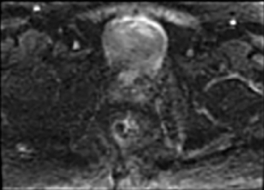
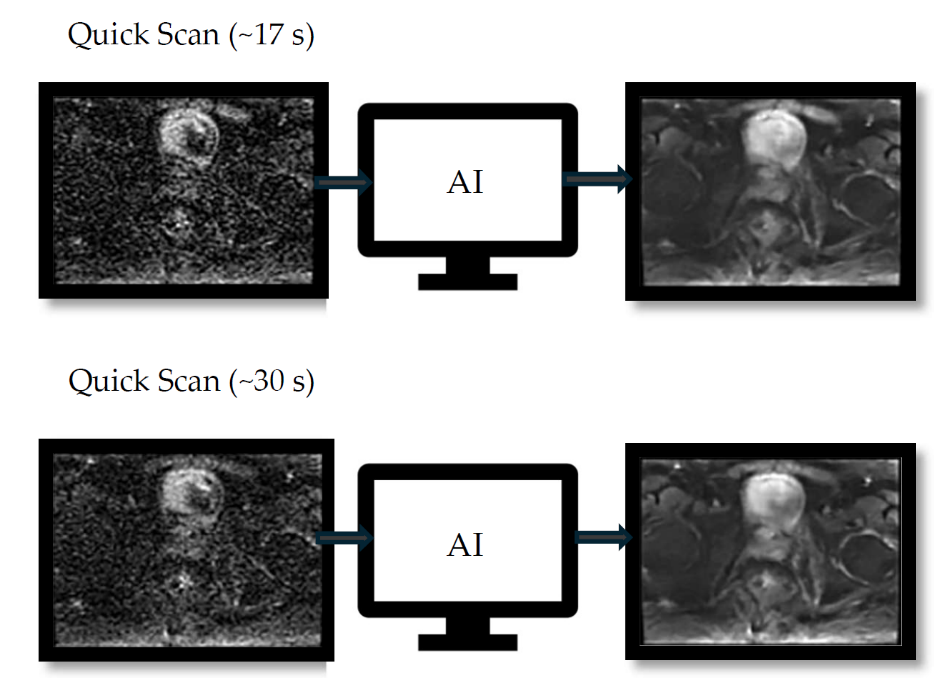
Figure 1. DWI of Rectal Cancer Before and After AI Denoising.
The top row shows a conventional scan collected over about four and a half minutes to achieve diagnostic clarity (“Standard Scan”). The middle and bottom rows show much faster scans, completed in roughly seventeen and thirty seconds, respectively. These “fast scans” appear grainy and less interpretable before processing. The images to the right demonstrate how an artificial intelligence model restored the fast scans to near-or-better-than-reference quality by statistically inferring missing detail from learned patterns. The algorithm constructs part of the evidentiary input the radiologist would otherwise have to acquire through a time-consuming read, shifting from assistive imaging toward a judgment-shaping infrastructure.87Id. The Figure here has been recreated and simplified from the Results section.
The denoising network’s underlying mathematics and architecture were well understood by the medical physicists who developed it and collaborated with the research team.88The medical physicists wrote the methods section of the DWI report and explained to me how they created the denoising network. See Petkovska et al., supra note 79 at 2–3.
However, its case-specific inferential pathway, why the network produced a particular reconstruction for a particular scan, was not readily interpretable even to them. It remained opaque to the radiologists who would ultimately interpret the scans for patients.89I observed this firsthand while working with MSK’s radiology team on the study. I could readily follow the clinical rationale, the imaging outputs, and their implications but when the medical physics group circulated the model’s training documentation, equations such as “L=n ∥ n- yn22+ λ∥n- y21” might as well have been written in another language. Id.; see also Ekaterina Pesheva, Does AI Help or Hurt Human Radiologists’ Performance? It Depends on the Doctor, Harv. Med. Sch.: News (Mar. 19, 2024), https://hms.harvard.edu/news/does-ai-help-or-hurt-human-radiologists-performance-depends-doctor [perma.cc/CW2R-67TN] (explaining variations in AI understanding and support among different radiologists).
That disconnect exposes an informational asymmetry where the individuals legally and ethically responsible for communicating diagnostic information may lack the technical fluency to explain how those inferences are generated or to assess the model’s potential sources of error.90Cohen, supra note 2, at 1431, 1446–47 (explaining that some medical AI/ML is not merely unexplained but not explainable and discussing how opacity can prevent clinicians from determining how a system reached a decision or how an error might occur).
This asymmetry creates a widening gap between the technical transparency achievable within research teams and the practical transparency patients actually experience. The MSK study thus exemplifies both the promise of algorithmic medicine and the challenge it poses to informed consent, as clinicians become mediators of decisions they can no longer fully articulate. MSK, however, did not treat this opacity as an inevitable cost of innovation. Instead, the institution responded by restructuring how AI would be governed inside the institution.91See infra Section III.C.2.
* * *
Radiology demonstrates that informed consent is already being obtained under conditions of unseen algorithmic judgment. That reality collides with a doctrine whose foundations were fragile even before AI arrived. As the next Section shows, when patients cannot understand consent documents or see who is actually exercising medical judgment, “consent” risks devolving into a ritual rather than a choice.
C. Ritualized Consent and Algorithmic Invisibility
Even before AI gained prominence, informed consent in the United States was compromised at the level of basic intelligibility. Empirical studies consistently show that typical hospital consent documents are written at a reading level far above that of the average American adult.92See Fatima N. Mirza et al., Using ChatGPT to Facilitate Truly Informed Medical Consent, New Eng. J. Med. AI, Feb. 2024, at 1, https://doi.org/10.1056/AIcs2300145 (reporting that most consent documents surpass the average American reading level and that LLMs can improve accessibility).
The doctrine assumes that patients can meaningfully evaluate medical risk, yet, in practice, many cannot understand the documents they are asked to sign. Courts frame disclosure around what a reasonable patient needs to know to decide,93See Canterbury v. Spence, 464 F.2d 772, 787–89 (D.C. Cir. 1972); Cobbs v. Grant, 502 P.2d 1, 10–11 (Cal. 1972).
but the standard is hollow if the patient cannot make sense of the form at all.
This failure reflects structural design, not patient inattentiveness. Consent is often obtained under significant time pressure and staffing constraints, leaving patients with limited opportunity to deliberate or ask questions.94Giuseppe Tarantini et al., Informed Consent and Shared Decision-Making in Modern Medicine: Case-Based Approach, Current Gaps and Practical Proposal, Am. J. Cardiology, Apr. 2025, at 77, 80–81 https://doi.org/10.1016/j.amjcard.2025.01.015 (identifying literacy-level mismatches, time-pressure conditions, and exclusion of vulnerable patients as systemic failures in modern consent practice).
Consent materials are frequently written in technical language that is difficult to parse for patients with low health literacy or nonnative language proficiency. Existing practices often fail to meet the needs of vulnerable groups such as elderly patients, individuals with cognitive disabilities, and nonnative speakers.95Id.
There is no standardized method to confirm comprehension or to revise consent practices based on patient feedback, and practices vary widely across hospitals.96There is inconsistency in how informed consent is documented and who is responsible for maintaining these records. Id.
The appearance of consent risks becoming a ritualized performance separate from the agency it is supposed to protect. Courts and institutions have likely tolerated this fragility largely because of the assumption that the presence of a human physician fiduciary preserved the legitimacy of consent even when comprehension was limited.
D. Why Existing Law Doesn’t Compel Disclosure
1. Regulatory Misfit: FDA Clearance and Clinical Decision Support Carve-Outs
Current U.S. law still imposes no affirmative duty to tell patients when AI systems participate in clinical reasoning. Under FDA radiology regulation, AI tools are formally classified as “medical devices” within Part 892.97See 21 C.F.R. § 892 (2025) (governing all FDA-regulated radiology devices, including AI-based computer-assisted diagnostic software, and classifying them as medical devices subject to performance and safety evaluation, not as autonomous decisionmakers).
Section 892.2060 defines radiological computer-assisted diagnostic (CADe/CADx) software as a tool “intended to aid in the characterization of lesions” and specifies that “[d]iagnostic and patient management decisions are made by the clinical user.”98Id. § 892.2060(a).
Section 892.2090 likewise provides that radiological computer-assisted detection and diagnosis software is “not intended as a replacement for a complete clinician’s review or their clinical judgment.”99Id. § 892.2090(a).
Together, these provisions frame radiology CADe/CADx as clinician-assistive: evaluated for safety and performance, while reserving diagnostic and patient-management decisions to the clinical user.100Id. §§ 892.2060, .2090.
FDA oversight thus appears oriented toward device status, technical performance, and safety risk, rather than toward creating a patient-facing informed-consent disclosure requirement about AI’s role in medical judgment.101See How FDA Regulates Artificial Intelligence in Medical Products, supra note 77.
The 21st Century Cures Act also excludes certain recommendation-style CDS software from the “device” classification, which requires clinicians to independently review the basis for the tool’s recommendation. The law does not extend that carve-out to software that acquires, processes, or analyzes medical images.10221st Century Cures Act, Pub. L. No. 114-255, § 3060, 130 Stat. 1033, 1130–33 (2016) (codified as amended at 21 U.S.C. § 360j(o)) (excluding from the definition of a medical device software functions intended for (1) administrative support of health care facilities; (2) maintenance or encouragement of a healthy lifestyle unrelated to diagnosis or treatment; (3) electronic patient records that do not interpret or analyze patient data; (4) transfer, storage, conversion, or display of clinical data; and (5) certain clinical decision support functions that provide recommendations to healthcare professionals while permitting independent review of the basis for those recommendations, but including software that acquires, processes, or analyzes medical images or in vitro diagnostic signals).
This divide helps explain why some AI remains regulated as a “device” while other algorithmic tools operate in lighter-touch territory, without generating a patient-facing disclosure requirement.
2. Doctrinal Silence: Consent Doctrine Treats AI as Background
U.S. courts have been no more attentive to AI involvement than federal regulators. No reported decision has held that the use of AI in diagnosis constitutes a “material fact” that independently triggers a duty of disclosure under informed consent doctrine.103Cohen argues that existing informed consent doctrine is unlikely to impose liability for nondisclosure of AI/ML assistance in diagnosis or treatment, and his discussion identifies no reported decision treating such nondisclosure as independently actionable. Cohen, supra note 2, at 1466. Laws addressing human-machine systems typically channel responsibility through existing tort/agency frames by assigning liability to humans “in the loop,” rather than building new transparency duties. See Crootof, Kaminski & Price, supra note 59, at 452.
In the few settings where AI appears in reported decisions, courts have treated it as a background feature of practice or as a tool raising reliability and competence concerns. In Hinlicky v. Dreyfuss, for example, the New York Court of Appeals admitted an algorithmic flowchart as demonstrative evidence of a clinician’s decisionmaking process, without suggesting its use required disclosure to the patient.104Hinlicky v. Dreyfuss, 848 N.E.2d 1285, 1289 (N.Y. 2006).
Outside the clinical setting, courts’ most direct engagements with AI similarly focus on reliability and user competence. In Byoplanet International, LLC v. Johansson and Willis v. U.S. Bank National Ass’n, courts warned that generative systems can “hallucinate” authorities and responded by imposing competence- and verification-centered safeguards (including sanctions and disclosure orders for AI-assisted filings).105Byoplanet Int’l, LLC v. Johansson, 792 F. Supp. 3d 1341, 1347, 1355 (S.D. Fla. 2025); Willis v. U.S. Bank Nat’l Ass’n, 783 F. Supp. 3d 959, 960–62 (N.D. Tex. 2025).
For now, reported decisions connecting AI to clinical informed consent are scarce, and the first wave of litigation is likely to frame medical AI as a reliability problem rather than an autonomy trigger.
As Cohen has observed, under existing informed consent doctrine, courts are likely to treat medical AI as a background input to physician reasoning rather than an independent source of duty, so failure to disclose its involvement will generally not give rise to informed consent liability.106See Cohen, supra note 2, at 1428–29, 1442 (concluding that “in general, liability will not lie for failing to inform patients about the use of medical AI/ML to help formulate treatment recommendations” and conceptualizing medical AI/ML as one of the many inputs to a physician’s reasoning process that informed consent law does not ordinarily require physicians to enumerate).
Academic commentary has begun warning of the broader consequences of this silence.107See, e.g., Khiara M. Bridges, Race in the Machine: Racial Disparities in Health and Medical AI, 110 Va. L. Rev. 243, pts. D–E (2024).
Professor Khiara Bridges suggests that opacity in AI-driven care is likely to harm patients of color in particular by concealing how algorithmic systems may reproduce racial bias. Bridges argues that allowing patients, especially patients of color, to remain unaware of the use of medical AI—which likely encodes racism—risks perpetuating racial health inequities.108Id. at 332.
Taken together, doctrinal silence and emerging scholarly critiques reveal that existing consent law allows algorithmic judgment to shape care without triggering the autonomy-protecting disclosures the doctrine was designed to secure.
III. The Algorithmic Disclosure Rule
Courts and regulators have so far treated AI as an unseen physician tool. That assumption becomes untenable once algorithmic systems meaningfully influence clinical diagnosis and treatment.109See supra Section II.D.
This Part argues that informed consent doctrine must be expressly extended to a form of medical reasoning to which it was never thought to apply. The point is not to abandon Canterbury’s materiality test, but to preserve its core commitment to autonomy-enabling choice in an era in which the identity of the decisionmaker is no longer obvious.
This Part operationalizes informed consent for algorithmic medicine. It defines when AI meaningfully participates in clinical judgment, states the Algorithmic Disclosure Rule (ADR) and the minimum autonomy-relevant content of disclosure, and then shows how the duty can be implemented and reinforced through various pathways. It closes by addressing key objections and future-proofing the rule as clinical AI evolves.
So far, this Note has argued that courts already treat the clinical decisionmaker’s identity as per se material to informed consent. When judgment is exercised by trainees, remote readers, or substituted practitioners, disclosure is required even if numeric risks do not change.110See supra Section I.C.1
Those doctrines provide the support for the ADR. When a nonhuman system materially participates in forming a diagnosis, the patient is no longer being evaluated solely by a physician’s mind. Even if an AI system matches or exceeds human accuracy, a reasonable patient would treat the substitution of nonhuman judgment as fundamentally distinct from a change in technique.111See Park, supra note 5, at 6–8. Park finds that participants rated AI-use information as highly important, and at least as important as short-term effect information in the informed consent context. Participants’ rating was not significantly affected by describing the AI as outperforming an average radiologist.
It is a change in who—or what—stands in the role of medical authority. Therefore, when AI crosses from a background tool to a meaningful participant in clinical judgment, the ADR requires plain acknowledgment of that role and the minimum autonomy-relevant context needed to make that acknowledgment intelligible.
A. Threshold: When AI Meaningfully Participates in Clinical Judgment
Not all uses of AI implicate informed consent. The ADR is triggered only when a system crosses from background tool to meaningful participant in clinical judgment. To draw that boundary, this Note defines “AI Participation” functionally, focusing on whether the system generates or materially shapes the judgment a patient ultimately receives. For disclosure purposes, AI meaningfully participates in clinical judgment when it falls into one of the categories defined in Table 3.
Table 3. AI Participation Categories for Disclosure
JUDGMENT-SHAPING INFRASTRUCTURE | AI materially transforms the information substrate clinicians evaluate (e.g., reconstruction, denoising, image enhancement, quantitative feature extraction), such that the image/inputs—and thus human evaluation—are plausibly different without the model.112See, e.g., Petkovska et al., supra note 79. |
DECISION SUPPORT | AI generates a diagnostic or treatment-relevant output (e.g., computer-aided detection/ diagnosis, classification, risk score, recommendation, segmentation outputs, integrating imaging with clinical/demographic data) that clinicians may accept or integrate without independently reconstructing the model’s basis—creating risk of automation bias and “para-thinking.”113See, e.g., Aldhafeeri, supra note 70 (categorizing radiology AI into CADe/CADx, segmentation and image analysis, workflow optimization, and decision support). |
WORKFLOW-GATING ACTION | AI optimizes or gates workflow steps (e.g., triage systems, prioritization of urgent cases, structured reporting tools, and routing/ escalation triggers) in ways that can become functionally decisive in determining what gets attention and when, even if the ultimate clinical judgment remains with a clinician.114Id. |
These categories operationalize the doctrinal principle developed in Part I: When nonhuman systems exercise authority over medical judgment, their role becomes a material fact for purposes of informed consent.
B. Content: Plain Acknowledgment, Not Explainability
The duty proposed here is modest. It asks physicians to tell patients when nonhuman intelligence has materially shaped their care. It does not direct patients to reject AI or require technical transparency. Nor does it confer a right to veto AI or demand a human-only pathway. Under existing doctrine, informed consent does not entitle patients to control or scrutinize the specific pathway through which physicians reach clinical judgment.115See supra Part I.
What it has always protected is the right to accept or refuse the treatment itself.116Canterbury v. Spence, 464 F.2d 772, 780 (D.C. Cir. 1972) (“[E]very human being of adult years and sound mind has a right to determine what shall be done with his own body.”).
When a clinically reasonable AI-free alternative is available, disclosure allows patients to decline AI-mediated care just as they may refuse treatment altogether.117Id. at 781–82 (“[I]t is the prerogative of the patient, not the physician, to determine for himself the direction in which his interests seem to lie.”).
Even when a patient’s only alternative is to decline care, informed consent still requires disclosures of who—or what—is exercising medical authority.
Informed consent protects the legitimacy of medical agency. Detailed exposition of the inner mechanics is secondary. The resulting rule concerns evaluative legitimacy and leaves technical literacy to professional and regulatory domains. A physician must plainly acknowledge when a clinically validated AI system materially influenced diagnostic judgment and describe its role and reliability in terms a reasonable patient can understand.
The baseline disclosure is met when disclosure simply states: “A clinically validated AI system assisted in reaching the diagnostic judgment in your case.” This resolves the core autonomy issue: who or what exercises medical judgment, not how its internal reasoning operates. A single, clear acknowledgment reanchors consent in informational transparency rather than passive presumption.
Optional reinforcement can be provided by adding another layer of information: “It has been independently validated to perform at or above accuracy of typical board-certified specialists in cases like this.” This layer strengthens trust without burdening the patient with technical detail. It provides simple, outcome-oriented assurance that the AI system has been clinically validated to perform at a standard comparable to or exceeding that of human specialists.118See Petkovska et al., supra note 79, at 7 tbl. 4 (providing an example of an “at or above accuracy” model, reporting maintained diagnostic accuracy with conditional specificities up to 96 percent).
Still, an extra optional layer can be added: Leading centers may voluntarily choose to go beyond what is legally required and provide quantitative or contextual information to strengthen rational trust.119See Peter D. Stetson et al., Responsible Artificial Intelligence Governance in Oncology, 8 Digit. Med., 2025, at 1, https://doi.org/10.1038/s41746-025-01794-w. MSK Cancer Center’s AI governance program includes an AI Governance Committee, model registry, and lifecycle management tools. The Committee requires informed two-party consent from both patients and clinicians for ambient-AI documentation pilots despite New York’s one-party consent statute and incorporates “patient transparency” about AI use.
For example: “FOR CONTEXT ONLY: No diagnostic system is error-free. Human radiologists typically exhibit a 3-6% interpretive error rate in general radiography.120Anders Lenskjold et al., Should Artificial Intelligence Have Lower Acceptable Error Rates Than Humans?, BJR Open, Nov. 2023, at 1, https://doi.org/10.1259/bjro.20220053 (noting general-radiography human error rates around 3–6 percent and discussing expectations for AI error rates).
This AI system’s most recent external validation studies fall within approximately [X-Y%] in comparable cases.” Alternatively: “FOR CONTEXT ONLY: This AI system was developed and validated primarily on [demographic descriptor] populations. Your clinical characteristics, including racial or genetic background, may differ from the majority of cases represented in the model’s training data. While the system remains clinically validated, that limitation is noted for transparency.”121See Cohen, supra note 2, at 1464–65 (discussing whether limited disclosure of algorithmic bias or contextual performance differences may be warranted to promote transparency, analogizing to FDA labeling as a possible model, and citing Price for the view that labeling requirements may inadequately convey contextual bias). See generally Bridges, supra note 107 (explaining how medical AI can reproduce racial disparities when trained on unrepresentative or structurally inequitable data, particularly when it treats race as a biological variable, and urging attention to both representation in training data and race’s social meaning).
This final layer must remain explicitly nonmandatory. Courts should not convert numerical or contextual disclosures into a de facto liability standard or into an expectation of mechanistic explainability. Requiring quantitative or demographic disclosures would push informed consent toward an explainability regime that law has never imposed on human clinicians. Professor W. Nicholson Price explains that clinicians already shoulder a “hefty burden,” and empirical work suggests they are poorly prepared to carry it.122W. Nicholson Price II, Clinicians in the Loop of Medical AI, 74 Emory L.J. 1265, 1265 (2025) [hereinafter Clinicians in the Loop].
Nor is it realistic to require step-by-step rationales: Even apart from clinicians’ justificatory role, there are serious problems getting accurate explanations from current AI systems.123Id. at 1275.
* * *
This duty is permanent in scope and purpose; it is not a transitional step toward technical transparency or a right to veto algorithmic judgment. It imposes an obligation of evaluative legitimacy rather than an exercise in explainability. By tying disclosure to who exercises medical judgment, the rule preserves Canterbury ’s autonomy-enabling core and avoids equating understanding a decision and understanding the mechanism that produced it. It calls for the degree of openness needed to make trust rational, and nothing more.
C. Implementation Pathways Beyond the Courts
Even if courts accept ADR’s doctrinal logic, tort adoption will be uneven, and informed-consent claims can fail on elements other than duty (especially causation and damages) even when nondisclosure is autonomy-defeating. For that reason, this Note treats the doctrinal argument and the implementation pathways as working in parallel. The pathways below operationalize the same disclosure norm through professional guidance, institutional governance, regulatory labeling, and patient-facing decision aids. They are complements to ADR’s doctrinal case, not substitutes for it. Although doctrinal reforms can raise worries about fragmented implementation, here multipathway rollout is a strength, not a risk, because each pathway is already a familiar site of consent governance.
1. Professional Pathway: Specialty Societies and Practical Guidelines
Implementation should begin through professional guidance rather than new statutes or judicial mandates. Informed consent is designed to protect patient autonomy, yet in practice it often devolves into formalistic scripts. Organizations such as the American Medical Association and the American College of Radiology routinely revise consent guidance when technology changes who is exercising medical judgment.124See, e.g., How Physicians Can Ethically Utilize Artificial Intelligence in the Medical Field, Am. Med. Ass’n Ed Hub (Mar. 7, 2024), https://edhub.ama-assn.org/pages/artificial-intelligence-in-medicine [perma.cc/7S6N-EFHE]; ACR Practice Parameter for Communication of Diagnostic Imaging Findings, Am. Coll. of Radiology (2025), https://gravitas.acr.org/PPTS/GetDocumentView?docId=74 [perma.cc/9WAX-VYDA] (stating that transparency about who has access to and uses patient data is essential to trust, and that ACR updates consent and communication standards regularly as technology evolves).
Extending those existing analogs to nonhuman judgment-makers does not require reinventing informed consent doctrine; it requires making explicit that who—or what—is exercising judgment can matter to autonomy.125See generally Cohen & Slottje, supra note 58 (explaining that disclosure requirements for medical AI are likely to develop through analogies to existing informed-consent decisions, and describing doctrines involving experimental or innovative procedures, practitioner substitutions, and conflicts of interest as operating at the outer bounds of informed consent’s materiality requirement).
Practically, specialty societies can integrate algorithmic disclosure language into existing consent frameworks by drawing on doctrinal hooks already recognized in case law: disclosure duties around experimental or novel methods, the substitution or identity of the practitioner, and other material features that a reasonable patient would need to know. As both case law and scholarship confirm, each of these strands already sits within the materiality analysis that guides informed consent practice.126Id.
Professional normalization also reduces judicial friction by recentering consent on autonomy rather than checklists or outcome proxies. When professional guidance aligns disclosures with what a patient needs to evaluate who is exercising judgment, it narrows the gap Professor Evelyn Tenenbaum identifies between consent’s autonomy-protecting purpose and its current implementation.127Tenenbaum, supra note 7, at 697 (describing how consent doctrine’s autonomy goals often diverge from practice, which tends toward liability-oriented risk recitations rather than preference-sensitive decision support).
2. Institutional Pathway: Hospital Governance and Model Policies
Even without national consensus, hospitals can adapt consent workflows and templates now. The practical literature already sketches models. From Black Box to Clarity proposes redesigned, AI-specific consent forms that use plain language, visual aids, and personalized content to explain AI’s role and limitations, rather than generic “AI is used” boilerplate language.128M. Chau, M.G. Rahman & T. Debnath, From Black Box to Clarity: Strategies for Effective AI Informed Consent in Healthcare, A.I. in Med., Sep. 2025, at 1, 5–8, https://doi.org/10.1016/j.artmed.2025.103169 (identifying that current consent forms often fail to provide detailed explanations about AI algorithms, data, and bias, and recommending redesigned consent forms).
Patient research likewise confirms that contextual, minimally intrusive acknowledgment is preferable to either silence or techno-dump: Patients want to know that AI was involved without receiving paragraphs of technical architecture.129See also Park, supra note 5.
Updating institutional consent forms to mention AI participation alongside anesthesia or trainee involvement would align practice with existing disclosure analogues.
MSK offers a concrete example of this institutional pathway. Its internal AI governance channels proposed diagnostic AI models through a multistage review, with an optional “Express Pass” pathway that ensures documented clinical justification and attention to how outputs can be communicated in ordinary clinical conversations before bedside deployment.130See, e.g., Stetson et al., supra note 119, at 2–4 (describing the iLEAP lifecycle gates, Express Pass criteria, and Model Information Sheet questions, including clinical role, expected benefits, and whether outputs are “[c]ommunicable in normal clinical conversation”).
By 2025, MSK transitioned from isolated AI research to a formal, enterprise-level governance model.131See id. at 2–5.
The institution created a dedicated Artificial Intelligence Governance Committee (AIGC) that oversees the registration, review, and monitoring of AI models used across clinical and operational workflows.132Id. (promoting the responsible use of AI).
Treating AI as an integrated layer of hospital infrastructure rather than a collection of discrete research tools, MSK adopted risk-based registration, lifecycle management, and ongoing performance oversight for all deployed models in its enterprise portfolio.133Id. at 2–8 (describing the prospective Model Registry, the adapted risk-assessment model, and G5 monitoring of AI models in production).
The initiative responded to the rapid proliferation of AI tools in patient-facing environments.134Id. at 1.
In 2024 alone, AI project intake volume increased by 63 percent compared with 2023.135Id. at 2–4 (“Trend analysis shows that, overall, AI demand is going up. AI project intake volume was up 63% in calendar year 2024 vs. 2023.”).
The AIGC implemented a structured lifecycle review pipeline and a centralized registry to track models across stage gates, with monitoring and decision rights to pause or terminate models showing degraded performance or safety concerns.136Id. at 3 fig. 2 (describing the iLEAP pipeline, Model Registry, and AIGC’s monitoring and decision rights).
The stated aim was to balance promotion of AI with responsible use of AI in an embedded structure analogous to other high-stakes regulatory processes, rather than treating AI as a casual add-on.137Id. at 5–8.
Most notably, the governance committee elected to require disclosure even where the law did not compel it. In evaluating an AI-mediated ambient documentation138“Ambient documentation” refers to AI systems that passively capture patient-clinician conversations during clinical encounters and automatically generate structured clinical notes (e.g., progress notes) without requiring clinicians to actively dictate or initiate recordings. Aaron A. Tierney et al., Ambient Artificial Intelligence Scribes to Alleviate the Burden of Clinical Documentation, NEJM Catalyst, Mar. 2024, at 1, https://www.doi.org/10.1056/CAT.23.0404.
tool, the AIGC required informed two-party consent from both the physician and the patient as a condition of expansion, even though New York’s one-party consent statute would have allowed silent deployment.139Stetson et al., supra note 119, at 4–5; N.Y. Penal Law § 250.00(2) (defining mechanical overhearing to require consent of at least one party, making New York a one-party consent state).
That decision reflects an emerging institutional ethic: When AI mediates clinical judgment or patient-clinician interaction, legitimacy requires acknowledgment rather than invisibility. MSK’s experience shows that leading institutions can adopt a disclosure-oriented default even in the absence of any formal legal mandate. Institutional governance of this kind offers a practical route for implementing the ADR.
3. Regulatory Pathway: FDA Oversight
A further implementation pathway is regulatory coordination. If AI systems often come backed by FDA review and validation evidence, clinicians may treat those factors as reasons to rely on the tool’s recommendations.140See Cohen & Slottje, supra note 58, at 176–77 (discussing how labeling and performance data function as clinical legitimacy signals).
Rather than mandating open-ended disclosure rules, regulators could require AI device labeling to be patient-legible by design, with a small set of disclosure tiers.141Chau, Rahman & Debnath, supra note 128 (proposing AI-specific, patient-facing consent materials using plain language and visual aids, and emphasizing standardized protocols and ongoing monitoring to support meaningful disclosure).
Clinicians could then anchor the baseline algorithmic disclosure in standardized language rather than improvising ad hoc explanations at the bedside.
That pathway, however, has structural limits. Existing federal policy has often used the presence of a human clinician “in the loop” to justify lighter regulation of decision-support tools, on the assumption that human review will cure whatever problems the model presents.142See Crootof, Kaminski & Price, supra note 59, at 450–51; Clinicians in the Loop, supra note 122, at 1287 (noting the “seductive ease” of relying on clinicians in the loop as an all-purpose fix for biased, unstable, or opaque AI systems and arguing that governance regimes should not treat clinicians as an all-purpose curative).
Treating these humans in the loop as a magic fix invites regulatory arbitrage: Developers keep a nominal individual in the chain to avoid tighter device regulation while leaving that human with diffuse, underspecified responsibilities.143See Crootof, Kaminski & Price, supra note 59, at 437, 450–51 (describing regulatory arbitrage in which retaining a human in the loop allows developers to avoid more onerous regulation and explaining that “[t]he law of the loop typically doesn’t identify why a human is . . . in the loop[,] clarify . . . [their] role[][,] [or] account for [their] needs, skills, or frailties”).
Professor W. Nicholson Price likewise warns that imposing governance on individual clinicians is unrealistic given time pressure, training gaps, and empirical evidence that they are poorly prepared to detect subtle model failures in real time144See Clinicians in the Loop, supra note 122, at 1265, 1286–87 (describing the governance burden placed on clinicians as “hefty,” noting empirical research showing that physicians and other providers are poorly prepared to vet AI outputs at the point of care, and arguing that clinicians in the loop cannot serve as an all-purpose cure for flaws in AI systems given their limitations and availability constraints).
—a structure that predictably yields variable, ad hoc disclosures. A disclosure-oriented FDA regime must therefore avoid repeating this pattern. Regulatory labeling can ensure consistent, patient-facing language and ease liability anxiety, but it should be understood as a complement to professional, institutional, and patient-facing pathways.
4. Patient-Facing Pathway: Decision Aids and Comprehension Tools
Implementation can also advance through patient decision aids (PDAs)—evidence-based tools designed to help patients understand complex medical information, clarify their values, and make informed choices that reflect those values.145See Clark et al., supra note 27, at 156–59.
PDAs originated to assist patients facing preference-sensitive decisions, in which several reasonable clinical options exist, and the appropriate course depends on individual priorities.146Id.
They provide structured, comprehensible explanations of treatment alternatives and outcomes, improve knowledge and risk perception, enhance communication with clinicians, and reduce passive or mismatched decisionmaking.147Id.
The Affordable Care Act formally recognized the value of such aids in Section 3506, directing the Department of Health and Human Services to develop certification standards for federally endorsed tools.148Id.
At least one jurisdiction has since incorporated certified decision aids into their informed consent statutes, creating a rebuttable presumption of valid consent when such aids are used.149Id.
In the context of algorithmic medicine, PDAs could translate the ADR into a form that patients can process. Rather than providing technical documentation, a decision aid might visually illustrate where and how an AI system participates in diagnostic reasoning. For example, a decision aid could present the type of data it analyzes, how it has been validated, and how its assessment informs but does not replace physician judgment. Hospitals or specialty societies could adapt existing PDA templates, such as graphical one-pagers, brief videos, or interactive portals,150See, e.g., Chau, Rahman & Debnath, supra note 128, § 4.2.
to disclose algorithmic involvement alongside conventional consent elements such as anesthesia or trainee participation. Embedding algorithm acknowledgment within decision-aid materials ensures that disclosure remains meaningful to patients while maintaining efficiency for clinicians.
This approach also embodies the principles of shared medical decisionmaking, which reframes consent as a deliberative process rather than a one-way disclosure. As King and Moulton explain, shared decisionmaking is:
a process in which the physician shares with the patient all relevant risk and benefit information on all treatment alternatives and the patient shares with the physician all relevant personal information that might make one treatment or side effect more or less tolerable than others. Then both parties use this information to come to a mutual medical decision.151King & Moulton, supra note 17, at 431.
Incorporating decision aids into algorithmic disclosure thus operationalizes that relational model, ensuring patients are neither overwhelmed by technical detail nor excluded from understanding the role of AI in their care. As shown in Figure 2, the patient decision aid visually explains the two-phase process: (1) AI training and (2) clinical application to new scans.
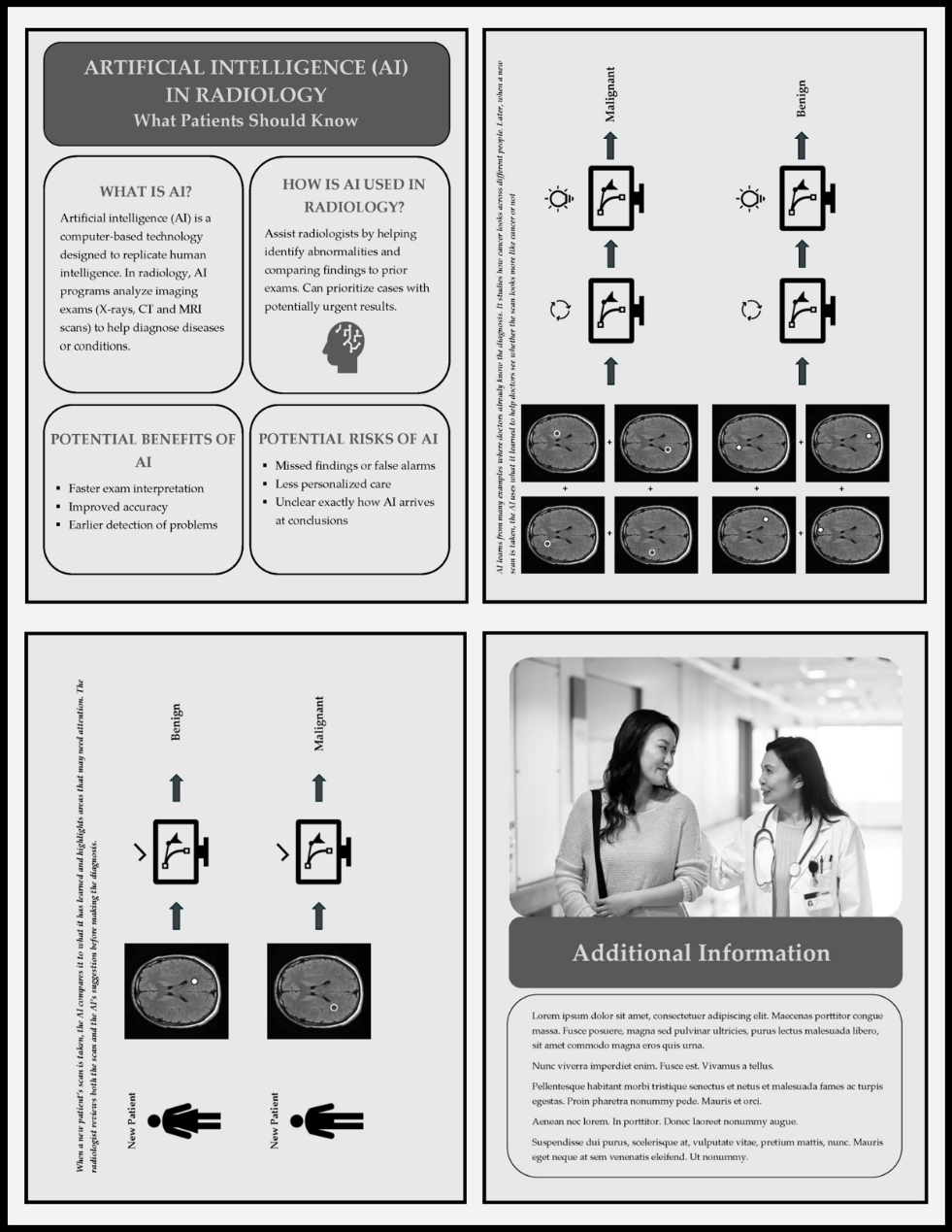
Figure 2. Prototype Patient Decision Aid on AI in Radiology. Example concept and design by author.
Taken together, the professional, institutional, regulatory, and patient-facing pathways show that the ADR does not require reinvention of informed consent. Each pathway builds on infrastructure that hospitals and clinicians already use to explain who is exercising medical judgment and to manage novel risks. Embedding a short acknowledgment of AI participation in existing channels allows disclosure to scale with algorithmic adoption rather than lag behind it.
D. Policy Payoffs and Objections
One threshold objection is that disclosure may not create real choice. If AI is threaded through most clinical workflows, opting out can seem unrealistic, or even irrational. But informed consent has never been contingent on the reasonableness of a patient’s refusal. Its role is to preserve the authenticity of choice, at least in theory, for the person in the room, even if a small portion of the population would ultimately decline care. As scholars have suggested, the doctrine must adapt to modern contexts by focusing on whether the individual patient’s autonomy interest has been meaningfully engaged.152See Tenenbaum, supra note 7, at 697–99, 719–20 (criticizing objective causation for substituting a hypothetical reasonable person’s preferences for the individual patient’s values and priorities, arguing that this undermines informed consent’s autonomy-protecting purpose, and recommending a subjective causation standard that better reflects individual patient preferences and keeps the doctrine aligned with modern, preference-sensitive medical decisions).
In the algorithmic medicine setting, that means asking whether the patient’s sense of agency was respected, not whether an imagined “reasonable” patient would feel the same way.
Unlike other medical innovations, where most patients simply assume that more advanced tools are better, public attitudes toward AI are more mixed, with many people wanting clear disclosure when AI is involved.153See Brian Kennedy, Eileen Yam, Emma Kikuchi, Isabelle Pula & Javier Fuentes, How Americans View AI and Its Impact on People and Society, Pew Rsch. Ctr. (Sep. 17, 2025), https://www.pewresearch.org/science/2025/09/17/how-americans-view-ai-and-its-impact-on-people-and-society [perma.cc/5FRJ-DCZQ] (“Americans feel strongly that it’s important to be able to tell if pictures, videos or text were made by AI or by humans.”); Tom Butts, Hub Survey: Viewers Want AI Content Labeled, tvtech (Jan. 13, 2025), https://www.tvtechnology.com/news/hub-survey-viewers-want-ai-content-labeled [perma.cc/5CGU-3HTQ] (noting that two-thirds of viewers say “any content made with AI should be ‘clearly and obviously labeled’ ”); New Research Shows How AI Agents Can Step In as Consumer Trust Slips, Salesforce (Oct. 31, 2024), https://www.salesforce.com/news/stories/ai-customer-research [perma.cc/9EK2-ZM9U] (finding that approximately 73 percent of consumers want to know if they are communicating with an AI agent).
That variation matters for informed consent, not because the law must cater to every preference, but because heterogeneous views predict heterogeneous choice behavior once the fact is disclosed.154See Tenenbaum, supra note 7, at 697–98 (arguing that informed consent is undermined when the doctrine substitutes hypothetical “reasonable” preferences for the heterogeneous values and priorities that actually shape patient decisionmaking).
For some patients, AI participation will be irrelevant. For others, it could change whether they proceed now or later, where they seek care, whether they request human confirmation, or whether they seek a second opinion.
ADR, therefore, does not treat “patients want to know” as sufficient; it treats heterogeneity as evidence that AI participation is plausibly outcome-determinative for many patients’ decision processes, which is exactly what the doctrine is designed to capture. Some patients will experience AI as efficient progress while others will view it with deep mistrust.155See Kennedy et al., supra note 153.
It is therefore unrealistic to assume a monolithic “objective” patient baseline for judging how AI involvement might affect a person’s decision to consent. And even under Canterbury ’s reasonable-patient standard, the question remains whether this is the kind of information a reasonable patient would consider in deciding how to proceed with medical care.
Another concern targets the remaining elements of tort. Algorithmic opacity seems to make both informational and injury causation impossible. Informational causation asks whether nondisclosure deprived this patient of a meaningful opportunity to choose. Injury causation asks whether the harm that occurred was caused by the AI system’s involvement rather than human error or other inherent treatment risks. The latter question is more difficult because algorithmic opacity can make causal attribution elusive. Critics may recall, however, that cases involving diethylstilbestrol (DES) or mesothelioma litigation were just as complex for the time.156See, e.g., Sindell v. Abbott Lab’ys, 607 P.2d 924, 936–37 (Cal. 1980) (creating market-share liability to address evidentiary causation problems in DES litigation where plaintiffs could not identify the precise manufacturer); Ford Motor Co. v. Boomer, 736 S.E.2d 724, 732 (Va. 2013) (rejecting “substantial contributing factor” causation in mesothelioma litigation and reaffirming Virginia’s stricter but-for and concurring-cause standards, illustrating both the evidentiary challenges and judicial limits in proving causal attribution for asbestos-related disease).
The lesson is that doctrine can evolve around complex causal structures when it must. But the issue of causation is a question for another day. The essential point for now is that uncertainty about downstream proof is no reason to deny patients the baseline right to know who—or what—is exercising medical judgment over them.
A more practical set of worries is that disclosing AI involvement would confuse patients, erode their confidence in medical care, or even increase physicians’ exposure to liability. Yet the evidence points the other way. Across both research and institutional practice, patients tend to respond with trust when honesty is explicit.157See Hillary Rodham Clinton & Barack Obama, Making Patient Safety the Centerpiece of Medical Liability Reform, 354 New Eng. J. Med. 2205, 2207–08 (2006); Park, supra note 5; Michael H. Bernstein et al., Randomized Study of the Impact of AI on Perceived Legal Liability for Radiologists, NEJM AI, May 2025, at 1, https://doi.org/10.1056/AIoa2400785.
Secrecy, not transparency, erodes confidence in care. The University of Michigan Health System’s “Michigan Model” program demonstrated what followed when hospitals proactively disclosed medical errors instead of withholding information until litigation: Pending claims fell, average time to resolution was cut in half, and litigation costs declined.158Clinton & Obama, supra note 157, at 2207–08 (describing the University of Michigan’s disclosure program, which reduced pending claims from 262 to 114, cut resolution times by half, and improved patient trust and satisfaction).
Clinical performance did not change. What shifted was the institution’s moral posture. Patients rewarded honesty even when the news was adverse, and disclosure helped restore legitimacy.
The AI setting shows the same pattern. In one experiment, respondents rated information about AI’s role in diagnosis as highly important to their treatment decision—often more important than standard short-term risk information—and described undisclosed AI use as problematic.159See generally Park, supra note 5.
In that study, participants attached the greatest significance to AI involvement when it was clearly disclosed and treated silent use as the least acceptable.160Id. at 12–13 (showing that patient trust is higher when AI involvement is acknowledged).
Another study reached a similar conclusion for liability perceptions. Researchers asked participants to act as jurors in malpractice vignettes involving radiologists who missed an abnormality with or without AI assistance.161See Bernstein et al., supra note 157.
Participants judged radiologists more legally liable when AI had detected the abnormality they missed, creating what the authors termed an “AI penalty.”162Id. at 5–7.
Yet when participants were given additional information about the AI’s own fallibility, their judgments of physician liability declined significantly.163Id. at 2 tbl. 1, 5–7.
Transparency about AI error rates reduced blame and restored perceived fairness.164Id. at 5–7.
The fear that disclosure will chill innovation thus rests on a misdiagnosis. An ADR asks only for plain acknowledgment, without new permission requirements or technical explanation, and restores legitimacy by refusing concealment. Under those conditions, AI can be integrated into practice in a way that invites respect rather than resistance.
E. Future-Proofing
The rule must hold for more than radiology. AI-driven “black-box” judgment is rapidly moving into pathology, oncology, and clinical decision-support systems that recommend treatment plans or risk-stratify patients.165See generally Sage Lazzaro, AI is Already Touching Nearly Every Corner of the Medical Field, Fortune (July 23, 2025), https://fortune.com/2025/07/23/ai-medicine-research-automation-hospital-training [perma.cc/Q42T-FHPJ].
Radiology is simply the leading edge and an early stress test for the doctrine.
A disclosure rule tied too narrowly to image-specific concerns would soon become obsolete. The doctrinal principle must instead be defined functionally: Whenever an autonomous or semiautonomous algorithm materially shapes medical judgment in ways opaque to patients, that involvement is material to consent.
Framed this way, the rule scales naturally with AI sophistication. It does not turn on any one specialty, on how accurate the AI becomes, or even on whether physicians can override it. Its core rests on the informational asymmetry and shift in agency introduced whenever a nonhuman system helps decide what is medically true or advisable.
In this sense, the proposal is deliberately technology-neutral and forward-looking. It allows courts to keep pace as AI migrates across specialties, grows more autonomous, and moves from flagging abnormalities to recommending diagnoses and care pathways. The doctrinal anchor remains stable. Patients cannot give meaningful consent when the real source of medical reasoning is hidden from them.
Conclusion
Informed consent has always done more than list side effects. It has been the law’s way of recognizing who is exercising medical judgment over a patient’s body. That structure quietly assumed a human reasoner: an identifiable, fiduciary-bound professional whose judgment could be named even if it could not be fully explained. Algorithmic medicine breaks that assumption. In radiology and beyond, opaque models now coauthor diagnostic conclusions while remaining legally invisible. When patients are kept unaware that nonhuman systems have materially shaped the inference they receive, consent preserves its form but loses its animating premise of human agency at the point of judgment.
This Note has argued that Canterbury already contains the tools to repair that gap. If materiality encompasses who renders judgment in adjacent settings, it cannot exempt nonhuman judgment-makers simply because they are statistical rather than biological. The Algorithmic Disclosure Rule follows from the premise that when AI crosses a functional threshold from background tool to coauthor of diagnostic or treatment judgment, its involvement becomes a material fact.
The corresponding duty is modest. Clinicians and institutions must plainly acknowledge that a clinically validated AI system materially assisted in forming the medical judgment, with brief context about its role and performance. The rule does not demand technical explainability, a veto over AI, or a human-only pathway. It instead recenters informed consent on evaluative legitimacy; that is, the patient’s right to know who—or what—exercised authority over their care.
Implementing that duty does not require rewriting the system from scratch. Professional societies can incorporate algorithmic disclosure language into existing guidance in the same way they have addressed novel procedures and trainee involvement. Hospital AI governance frameworks can embed standard disclosure sentences into report templates and intake scripts, coupling AI oversight with a simple commitment to acknowledgment over invisibility. Regulators can align device labeling and risk tiers with patient-facing disclosures rather than treating “humans in the loop” as a safe harbor. As AI migrates from radiology into pathology, oncology, and general decision support, the law must adapt its autonomy tools to algorithmic medicine. The ADR is a minimal evolution, but a necessary one, if informed consent is to remain more than a ritual in an era of nonhuman clinical entities.
*J.D. Candidate, May 2027, University of Michigan Law School; MPH, Icahn School of Medi-cine at Mount Sinai. I am grateful to Professor W. Nicholson Price for his thoughtful feed-back and engagement with this project. I am also indebted to the Vol. 124 Notes Office—Luke Pomrenke, Haley Rogers, Dustin Smith, Ruben Piñuelas, Jacob León, and Suji Kim—whose smart and careful edits strengthened this piece immeasurably. Thank you to German Marquez Alcala for thoughtful feedback and review. This project reflects the guidance of the mentors who shaped how I think across disciplines. I am especially grateful to Iva Petkovska, MD, whose expertise in radiology deeply informed this work, and Stephanie Fac-tor, MD, MPH, whose rigor and attention to detail continue to shape how I approach re-search and analysis. I am thankful to Shelby Steverson, Jennifer DaPolito, Cole Smith, and Nadia Yeajin Cianca for the intellectual community and steady support they provided throughout the writing of this Note. Finally, I am grateful to Mica Poerio for the endless support that made this work possible. All errors are my own.
